
Project management within Namibia’s engineering sector is undergoing a major transformation, driven by the nation’s ambition to improve infrastructure, energy, and water security. This evolution is marked by the integration of advanced technologies with a focus on sustainability, and the adoption of modern project management practices.
Technological Advancements
Engineering firms are increasingly embracing digital tools to streamline project management in Namibia. Platforms such as Primavera P6, Microsoft Project, and Asana are being used to improve scheduling, resource tracking, and facilitate team collaboration. These tools have proven effective in keeping large-scale infrastructure projects on schedule and within budget.
In addition to software solutions, there’s a growing interest in innovative construction technologies. Firms like Emcon are exploring the use of 3D printing, prefabricated components, and advanced materials designed to withstand Namibia’s harsh climatic conditions. These advancements aim to expedite project timelines and promote sustainability.
Environmental and Logistical Challenges
Engineering projects in Namibia often contend with the country’s arid desert environments, which present unique challenges. Issues such as unstable sandy terrains, extreme temperatures, and water scarcity require innovative design and resilient planning for successful project management in Namibia.
For instance, constructing in areas like the Namib and Kalahari deserts demands specialized foundation designs and materials that can endure the harsh conditions.
Logistical hurdles also pose major challenges. The vast distances between project sites and logistical hubs, coupled with underdeveloped road networks, can lead to increased costs and extended timelines.
Transporting materials and equipment to remote locations necessitates meticulous planning and resource allocation.
Workforce Development and Regulatory Compliance
A shortage of skilled civil engineers and project managers in Namibia has been identified as a barrier to the successful implementation of engineering projects. This gap underscores the need for better training programs and educational initiatives to build local capacity.
Added to this, the evolving regulatory environment requires engineers to stay abreast of updated building codes, safety standards, and environmental guidelines.
Maintaining compliance necessitates continuous communication with government agencies and a proactive approach to regulatory changes.
Economic and Strategic Implications
Engineering remains a cornerstone of Namibia’s economic development, facilitating advancements in infrastructure, water security, mining, and tourism. Projects like the Neckartal Dam exemplify the sector’s potential to drive economic growth, although delays and cost overruns highlight the importance of effective project management.
The integration of enterprise risk management (ERM) models into project management practices is gaining traction, aiming to address broader economic challenges such as drought and reduced public investments, as well as fluctuating commodity prices.
Conclusion
Namibia’s engineering sector is at a pivotal juncture, with project management practices evolving to meet the demands of complex projects and challenging environments.
The adoption of advanced technologies along with an emphasis on sustainability, and a focus on workforce development are critical to the sector’s success.
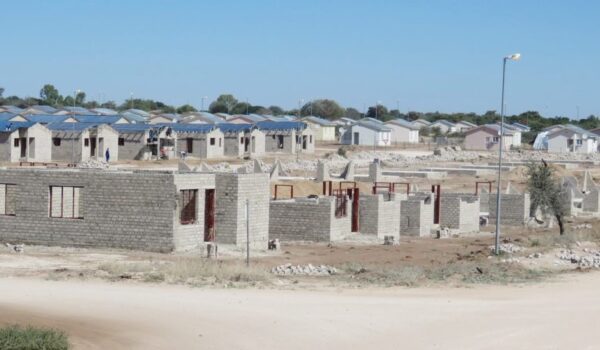
As Namibia continues to invest in infrastructure and development, effective project management will play a vital role in achieving its strategic objectives.





Comments