
By: Nghiinomenwa-vali Erastus
Bank Windhoek has provided financial support for a total of 59 projects valued at N$57.6 million across Namibia from 2022 to 2023, with 54 of these projects dedicated to Renewable Energy.
The remaining four projects focus on Sustainable Agriculture, with one dedicated to Biodiversity Conservation.
Claire Hobbs, Bank Windhoek’s Chief Treasurer, unveiled these statistics during the announcement of the completion of the bank’s second Sustainability Bond Impact Report on Friday, September 29, 2023.
The report provides insights into the allocation of sustainability funds for the 2022-2023 financial year.
Hobbs explained that the funded projects align with eligible categories outlined in the Sustainable Bond Framework. The quantitative data in the report is based on estimates provided by project installers and customers who receive funding to carry out financially viable projects.
She emphasized the consensus on the significance of sustainable finance in advancing a carbon-neutral world. Hobbs stressed that support should be channeled towards projects prioritizing resource efficiency, healthy ecosystems, and the promotion of a circular economy.
This approach to sustainable finance plays a vital role in reducing waste generation, encouraging recycling and reuse, and protecting ecosystems.
Hobbs also highlighted that the financial approach considers the long-term impact of investment decisions on financial returns, as well as their broader implications for society and the environment.
She stated, “It enables corporations, businesses, and individuals to invest in initiatives that improve living standards, protect ecosystems, and preserve natural resources for future generations.”
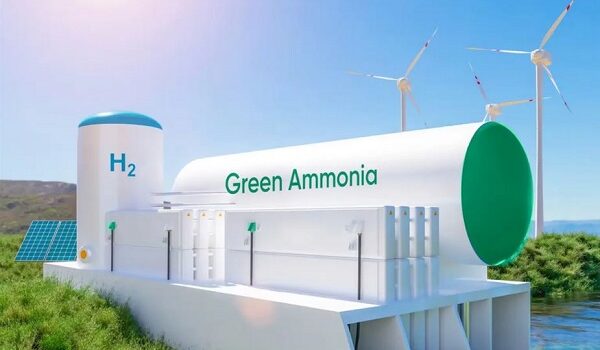
This announcement by the bank coincides with Namibia’s ambition to become a regional energy exporter, with several large-scale projects in the pipeline.
Regionally, there is a substantial energy deficit of 10 GW, primarily driven by South Africa.
The Electricity Control Board has recently licensed several potential Independent Power Producers, enabling them to export approximately 1.3 GW of renewable energy.
Currently, 12 projects and Independent Power Producers have expressed their intent to harness Namibia’s renewable energy resources for export, although none of these investments are operational due to evacuation and export constraints.
At the same time, Namibia also seeks to enhance its domestic renewable energy supply, as it continues to import between 147,000 MW and 250,000 MW of power per month.
Hobbs highlighted that the bank’s deployment of sustainability capital is guided by the recognition of the importance of tailored sustainable financing and its role in creating a sustainable future for Namibia. erastus@thevillager.com.na

Comments